Thursday, January 10, 2013

Sit. Stay. Teaching the basics.


Even the most well trained dog started with the basics.  Sit.  Down.  Stay.  Come.  Well, we’ve already covered come.  Not only are these easy commands to teach, but they also teach both dog and trainer how to communicate.


Sit-



This is a very basic bait and lure behavior.  Tell your dog to sit.  At the same time, hold a treat in your hand and use it to lure your dog’s nose upwards and back.  As soon as his butt hits the floor, he gets his reward.  Repeat this until he is confident at the sit.  Once he really gets it, add a hand signal.  This can be anything, but the most common signal is pictured below.  Eventually, you can begin to wean him off treats.

Man demonstrating a common hand signal for sit


Down-
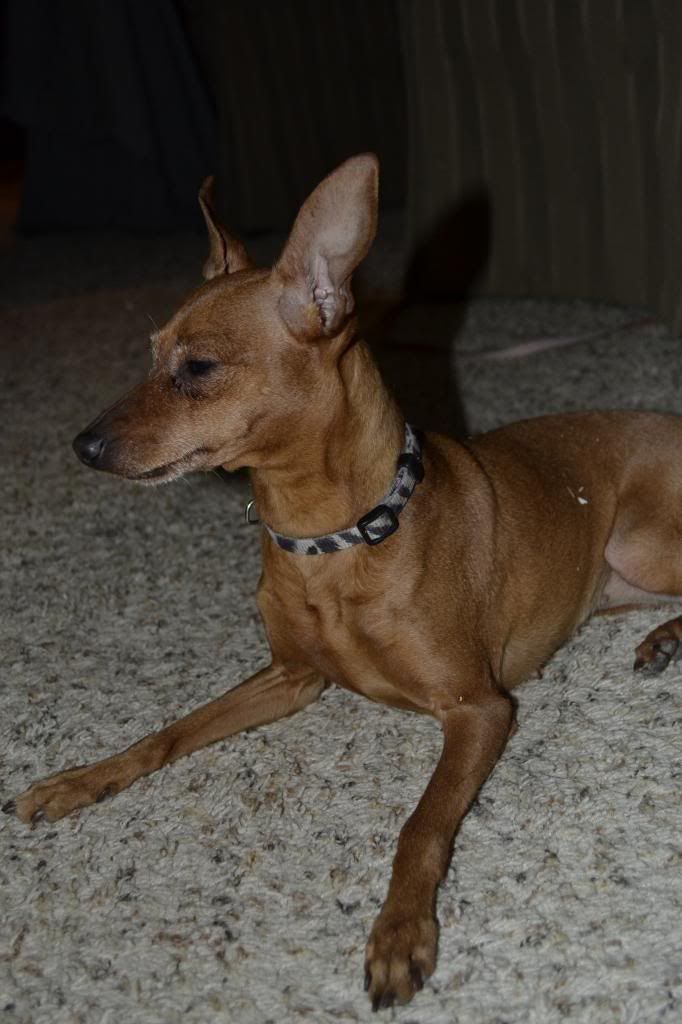

Another basic behavior, this trick proves to be quite valuable.  The same rules of teaching that apply to the sit also apply to the down.  Tell your dog "down" while using your treat to lure his head down.  When both elbows and bottom hit the ground, you give your reward.  Again, repeat until your dog is confident, teach a hand signal, and wean off treats.  
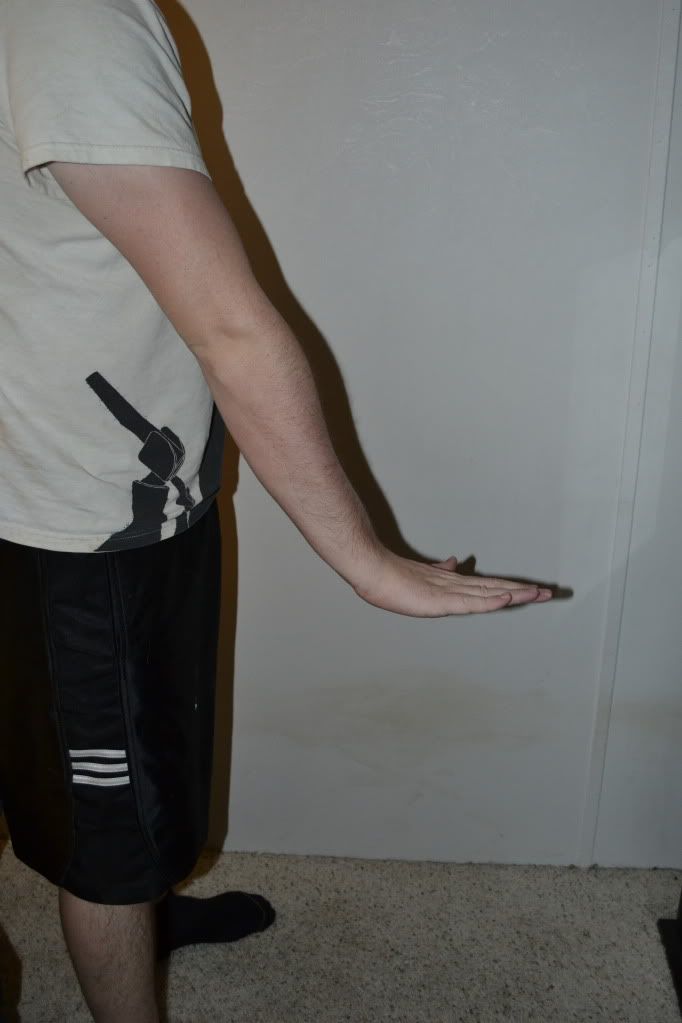
Man demonstrating a common hand signal for down


Stay-
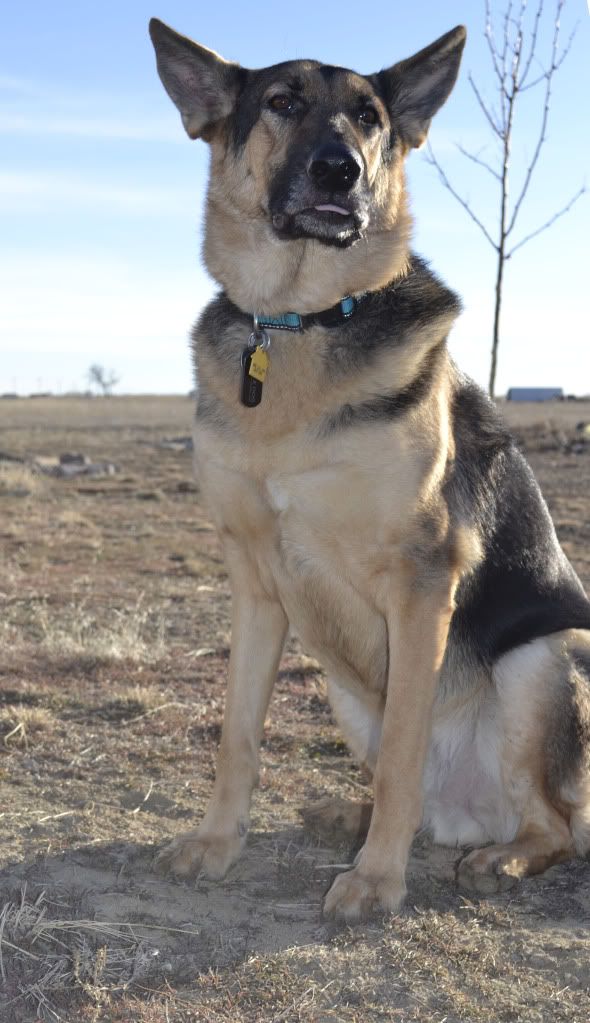


This behavior is almost as important for a dog to learn as come.  Put a leash on your dog, and tell him to stay.  Back up one step.  If your dog moves, without saying anything, lead him back to the same position and start over.  Stay.  Step back.  When he holds his position, come back to him and give him his reward.  Repeat until he is confident, then add an extra step back.  The stay can be done in any position.  If your dog is having trouble at a certain distance, start over at one step.  Don’t worry, eventually he’ll get it.

Man demonstrating a common hand signal for stay


These basics are the foundations of more complex behaviors.  It is my opinion that every dog should have these basics mastered.  Once your dog is confident at these commands, build on them!  Happy training.


Wednesday, January 9, 2013

Exercise, exercise, exercise!


The most important aspects of creating a well-balanced dog are a great diet, love, discipline, and exercise.  Without exercise, your dog will build up energy, boredom, and frustration, and, in most cases, that excess energy will be taken out on your house, other dogs, or even people.  Dogs with a lack of exercise will try your patience.  It’s so important to develop a proper exercise routine.


The amount of exercise your dog should get is completely dependent on its breed.  For references to a few popular dog breeds, check out my post on Choosing the Right Breed for You.  Always check with your vet before starting an exercise routine.


Start small.  Build up your dog’s endurance by starting with 15 to 30 minutes of moderate exercise twice a day.  This could be anything from a game of fetch, to jogging, to teaching your dog a sport, such as agility.


Exercise is best when it involves the mind, so I highly recommend finding a sporting club or activity to join.  There are tons of great sports, like flyball, agility, tracking, hunting, Frisbee discs, dancing, and schutzhund.  Sports like this force your dog to think, as well as get physical.


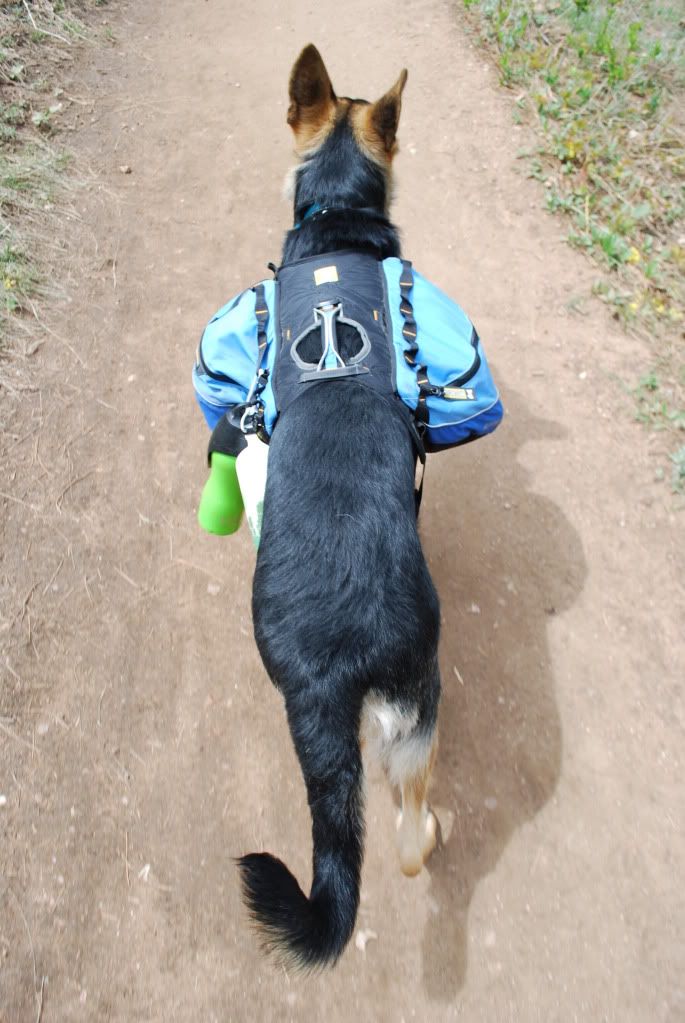
Hiking, biking, back packing, and swimming are also great ways to exercise your dog.  Giving your dog a back pack while walking or running not only tires your dog physically, but it also gives your dog a job, which is a mental exercise.  My large breed dogs wear packs whenever they leave the house. 


With a back pack, just as you would with starting an exercise regimen, start small.  When I introduce a back pack, I put it on them stuffed with plastic bags.  This gets them used to the idea that they are carrying something important, because after all, what could be more important than the bags you need to clean up after your pet?  It is also light weight, so it won’t put any added stress until the dog builds up muscle. 


After a couple of days, add another object (a bag of treats works well).  Once your dog is accustomed to carrying the pack, add weight gradually over the course of a few months.  Most breeds of dogs can carry up to a third of their body weight.  Never put a pack on a dog whose body isn’t fully developed. 


Whichever activity you decide to add to your life with dogs, both you and your partner will benefit.  Exercise results in a calmer disposition, an outlet for energy, and a closer bond.  Adventure is waiting.