Thursday, January 10, 2013

Sit. Stay. Teaching the basics.


Even the most well trained dog started with the basics.  Sit.  Down.  Stay.  Come.  Well, we’ve already covered come.  Not only are these easy commands to teach, but they also teach both dog and trainer how to communicate.


Sit-


This is a very basic bait and lure behavior.  Tell your dog to sit.  At the same time, hold a treat in your hand and use it to lure your dog’s nose upwards and back.  As soon as his butt hits the floor, he gets his reward.  Repeat this until he is confident at the sit.  Once he really gets it, add a hand signal.  This can be anything, but the most common signal is pictured below.  Eventually, you can begin to wean him off treats.
Man demonstrating a common hand signal for sit


Down-


Another basic behavior, this trick proves to be quite valuable.  The same rules of teaching that apply to the sit also apply to the down.  Tell your dog "down" while using your treat to lure his head down.  When both elbows and bottom hit the ground, you give your reward.  Again, repeat until your dog is confident, teach a hand signal, and wean off treats.  

Man demonstrating a common hand signal for down


Stay-


This behavior is almost as important for a dog to learn as come.  Put a leash on your dog, and tell him to stay.  Back up one step.  If your dog moves, without saying anything, lead him back to the same position and start over.  Stay.  Step back.  When he holds his position, come back to him and give him his reward.  Repeat until he is confident, then add an extra step back.  The stay can be done in any position.  If your dog is having trouble at a certain distance, start over at one step.  Don’t worry, eventually he’ll get it.
Man demonstrating a common hand signal for stay


These basics are the foundations of more complex behaviors.  It is my opinion that every dog should have these basics mastered.  Once your dog is confident at these commands, build on them!  Happy training.


Wednesday, January 9, 2013

Exercise, exercise, exercise!


The most important aspects of creating a well-balanced dog are a great diet, love, discipline, and exercise.  Without exercise, your dog will build up energy, boredom, and frustration, and, in most cases, that excess energy will be taken out on your house, other dogs, or even people.  Dogs with a lack of exercise will try your patience.  It’s so important to develop a proper exercise routine.


The amount of exercise your dog should get is completely dependent on its breed.  For references to a few popular dog breeds, check out my post on Choosing the Right Breed for You.  Always check with your vet before starting an exercise routine.


Start small.  Build up your dog’s endurance by starting with 15 to 30 minutes of moderate exercise twice a day.  This could be anything from a game of fetch, to jogging, to teaching your dog a sport, such as agility.


Exercise is best when it involves the mind, so I highly recommend finding a sporting club or activity to join.  There are tons of great sports, like flyball, agility, tracking, hunting, Frisbee discs, dancing, and schutzhund.  Sports like this force your dog to think, as well as get physical.


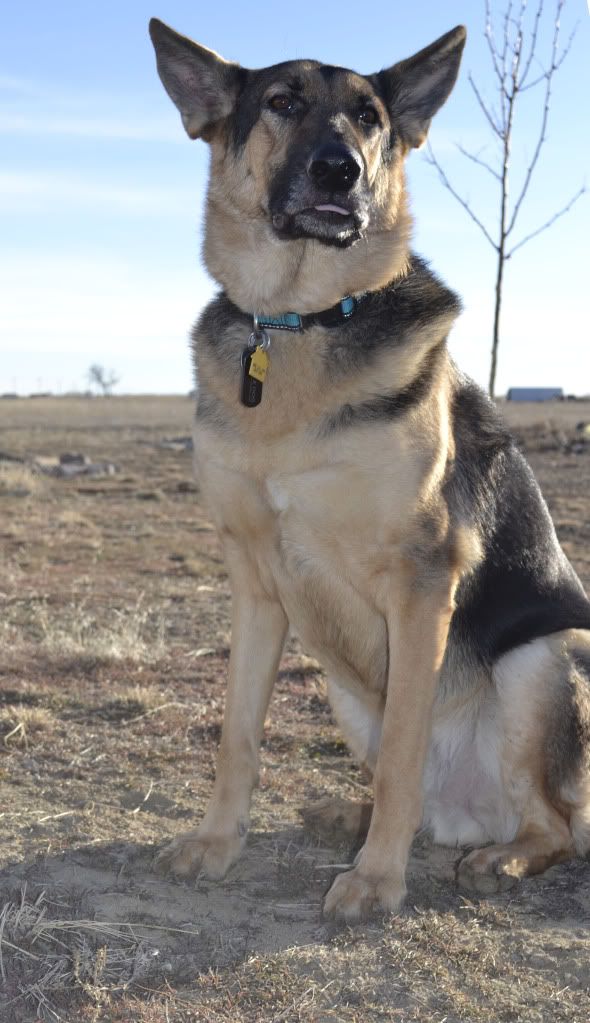
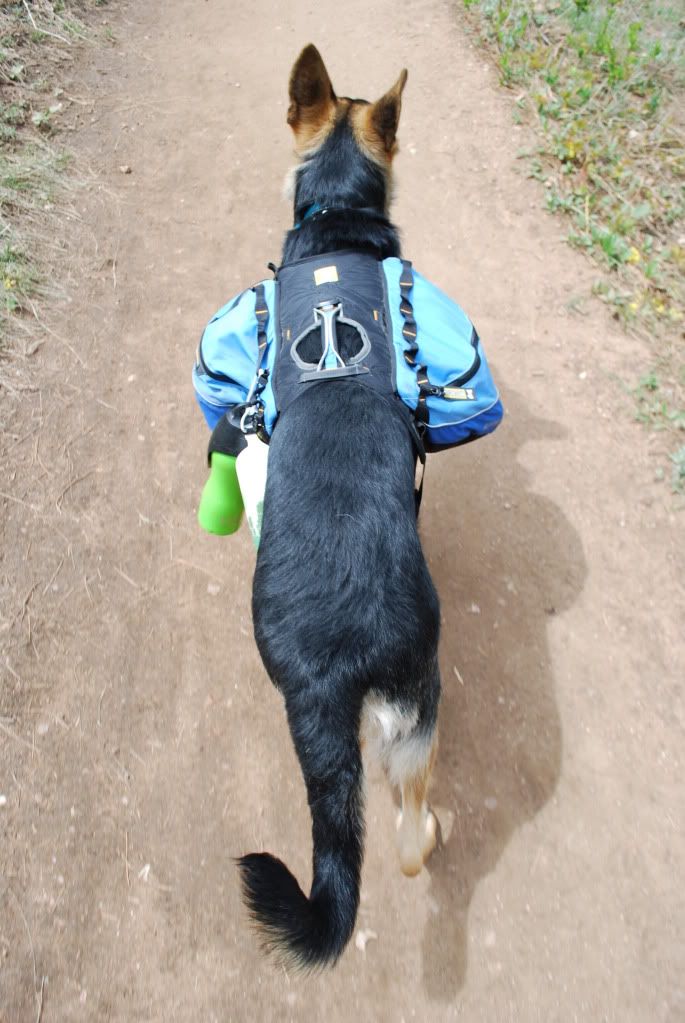
Hiking, biking, back packing, and swimming are also great ways to exercise your dog.  Giving your dog a back pack while walking or running not only tires your dog physically, but it also gives your dog a job, which is a mental exercise.  My large breed dogs wear packs whenever they leave the house. 


With a back pack, just as you would with starting an exercise regimen, start small.  When I introduce a back pack, I put it on them stuffed with plastic bags.  This gets them used to the idea that they are carrying something important, because after all, what could be more important than the bags you need to clean up after your pet?  It is also light weight, so it won’t put any added stress until the dog builds up muscle. 


After a couple of days, add another object (a bag of treats works well).  Once your dog is accustomed to carrying the pack, add weight gradually over the course of a few months.  Most breeds of dogs can carry up to a third of their body weight.  Never put a pack on a dog whose body isn’t fully developed. 


Whichever activity you decide to add to your life with dogs, both you and your partner will benefit.  Exercise results in a calmer disposition, an outlet for energy, and a closer bond.  Adventure is waiting.


Saturday, August 6, 2011

The Importance of a Good Recall

If I had to only teach my dogs one thing, it would be a strong recall.  It’s my personal opinion that this is the most important thing for any dog to know.  It protects your dog on so many levels.  If your dog doesn’t understand or respect you when you tell him to come, he could find himself in both physical and legal danger. 

The supplies you will need include your training collar (I like to have a clear difference between when my dog is playing, and when my dog is working, so I use a different collar for each), a long leash (20 ft. training leash or a lunge line for a horse), plenty of treats, and a great attitude (and if your dog has yet to learn stay, which will be covered in an upcoming post, you will need a partner).

Like I always say, start small.  Put your dog in a stay (or have your partner hold him if he isn’t that far along yet).  Back away about five feet, holding the training leash.  Tell him “come”, (if you’re using a partner, now is a great time for your partner to let go of the dog), and hold out a treat for him.  If he hesitates, give a small tug on the leash.  The moment he starts moving in your direction, give him an excited “good dog!” and treat him when he comes to you.   Repeat until your dog can come to you at a five foot distance without you having to give him a tug. 

When your dog runs to you on the “come” command, you can start backing away little by little.  Next, try ten feet.  When that’s solid, try fifteen, and so on and so forth, until you get to the end of your lead.  If he misses the command, go back a step.  Keep lessons short as to avoid distraction and discouragement.  Ten to fifteen minute sessions will be perfect.  Also, always end on a good note. 

Once your dog can come to you from across the room or the yard, it’s time to introduce distractions.  Start with a couple toys on the ground.  Tell him come, and if his attention sways at the toys, give him that little tug at the leash again.  You can also use this to teach the “leave it” command.  Simply say “leave it”, and have him continue on his way.  Even if he had a bit of distraction, he should always get a “good dog” and a treat when he comes to you.

After he can come without getting distracted by toys on the home front, it’s time to take his lessons into public.  A park with a few other people hanging out is a perfect spot.  Set him up, either with “stay” or your partner gently holding onto him, and step back ten to fifteen feet.  Tell him to “come”, and nudge him along if he succumbs to distraction.  When he masters this, you can then step back a few feet.  Have him come a few times at each distance, until you can recall him at the end of the leash.    Now it’s time to give him a fun car ride (or walk) home, and a well deserved rest.  Tomorrow is a big day for him. 

Since your dog can now come to you from a distance with distractions, it’s time to take his lessons off leash.  Do this if, and ONLY if his on leash recall is solid (meaning he comes every time, the first time, no matter what is going on).  When teaching an off leash recall, safety should be your number one concern.  Begin in an enclosed area (like your living room, or a fenced in yard).  Don’t make too big a deal out of it.  Set him up, and tell him to come.  Reward him when he does.  If he takes advantage of not being on leash, go back to using a leash for a while.  

Treat this the same way you did when you trained your on leash recall.  When he learns to come off leash without distractions, great!  Now add a few.  Again, toys are a great way to start.  Set him up for his recall.  Find an appropriate distance (start small), and tell him to come.  If he looks at a toy, give him your “leave it” command, and reward him when he gets to you.  Continue this until he can come to you from a distance with distractions.

Even after your dog is coming to you every time, with or without distractions, on or off leash, the recall is so important that it’s something that needs to be practiced daily.  Give your dog the “come” command when you go to put her leash on, or when coming inside from playing in the yard.  Incorporate this is every day circumstances, and in future training. 

In my next post, I will cover exercising your dog, and why it’s so necessary for poochy.

Friday, June 17, 2011

Crate Training

Unless your dog has impeccable house manners, even when your back is turned, crate training is something that’s important to both your dog’s safety and your sanity.  Without teaching your dog to stay in his crate when you can’t supervise him, you risk a plethora of disastrous situations.  I’ve heard horror stories of all kinds, from something as simple as “my dog went to the bathroom everywhere” to dogs that have chewed up hundreds of dollars worth of personal belongings or have gotten into dangerous substances.

The first step in crate training your dog is picking out an appropriately sized crate.  Your dog needs to have enough room to stand up, stretch out, and turn around in, but really doesn’t need (and shouldn’t have) much more than that.  If you have a young puppy and don’t want to be buying new crates every time he grows a few inches, you may want to invest with a wire crate that comes with a divider.  You can move the dividers around in the crate as your puppy grows, and take it out when he reaches maturity. 

Although wire crates are great (and cost effective if you have a growing pup and need that divider), I do recommend a plastic type kennel, such as a Vari.  First and foremost, it creates a den like atmosphere, which will help comfort your dog in dealing with your absence.   On top of that, they are airline approved, so if you ever need to take your dog on a plane, you already have the kennel to do so.  Mesh, or collapsible crates are made only to be used under your supervision, so, for the purpose of this post, let’s forget about them.

After you’ve brought home your kennel, you can begin the training process.  Let your dog get used to the look and feel of the crate.  Entice her to take a step in, by placing treats in there.  Be sure to make this a happy experience for her.  Don’t just throw her in there and walk away.

Now that your dog is becoming accustomed to the crate, you can start leaving him in there.  Always start small.  Place a favorite toy in the crate to offer distraction (a hollow bone or Kong toy filled with peanut butter is always a favorite in this house).  Close the crate door and stand there for a few seconds.  Open the door, and reward with a “good dog” and a few treats.  When he leaves the crate, take that toy away.  Leave the good stuff for when he is in his crate.  Repeat four or five times. 

Your dog is now beginning to associate crate time with that special goody.   Next time you put him in there and close the door, step away for a few minutes.  Remember to start small, so five minutes will be sufficient.  Come back, reward, and take away the crate toy.  Repeat this step a few times, gradually increasing the amount of time you’re gone.   In no time, you can leave for work without worrying about your dog hurting himself or your favorite possessions.  

Keep in mind, though, that the crate is never to be used as punishment.  However, it can be used as a time out if your dog is becoming too rowdy, or needs a break from play after a potty training accident.  Always make it a good experience and leave him that special crate toy.

House Breaking

Everything you know about potty training your dog is wrong. 

Okay, that may be a bit overdramatic, but there are a lot of myths going around on the topic of house breaking.  Before you begin, there are a few supplies that you will need.  The first, and most important is an appropriately sized crate.  That means the crate fits your puppy, NOT the size of your dog when he’s an adult.  This is very important, because if your pup has too much space in the crate, it will learn to use the bathroom on one end, and sleep on the other.  I probably should have covered crate training first, but that will be featured in my next post.  Have some patience.  The second thing you will need, and I highly recommend using, is a set of bells for your door knob.

Okay, now that you have your crate, and have accustomed your new dog to using it and sleeping in it (covered in the next post), you can begin the house breaking process.  House breaking consists of two steps: Establishing where your dog can and can’t go to the bathroom, and teaching her how to ask.

So how do you teach your dog where to go to the bathroom?  Well for one, you have to predict when your dog will go.  Young puppies will go to the bathroom when they first wake up in the morning, first thing after a nap, fifteen minutes after eating and drinking, directly after play, and every hour in between.  Start in the mornings, by waking your pup up in her crate.  Pick her up, and don’t let her little paws touch ground until she is outside, in a designated potty place.  It helps if you take her to the same spot every time you take her out.  It also helps if you keep play time separate from potty time (i.e. try not to play with your pup outside until she knows that outside is for potty).

After your dog goes out in the morning, it’s time to offer him food and water.  As stated previously, fifteen minutes after he finishes eating, it’s time to take him out again.  Remember to take him to his potty spot.  It will help if there’s a special cue for him to go, like “go potty”, or “relieve yourself”.  As soon as he begins to go, reward him with praise.  Don’t get him so excited that he interrupts himself, though.  A simple “good potty” will do, followed by a few pats and an ear rub when he is finished.  I highly recommend avoiding using a food reward for house breaking, because it will only cause distraction.  If you carry treats in your pockets outside, your pup is just going to dance around and try to impress you for a treat, and isn’t going to be thinking about his bathroom break.  If you give your dog a treat for going outside, your dog will learn to ask to go outside, only to come back in and get a treat without doing his business. 

So now that your dog has eaten and went to the bathroom outside, it’s time to start your day.  Remember, if you can’t supervise your pal, crate him until you can (but don’t leave him in there too long!)  When you are watching your pal, remember to take him out every hour for potty breaks.  It’s alright if he doesn’t go every time, but it’s a good idea to give him the opportunity to try.  After a week or two with no accidents, you can push breaks back to every hour and a half, and two weeks after that, two hours.  Keep pushing them back a half hour every two weeks until he is going every three to four hours and is learning to ask how to go outside.

The fastest way to house break your pup is to prevent an accident.  So, while your pup is playing in the house, or exploring, or chewing your new shoes (I will cover that in a later post, don’t worry!), there are certain signs to watch for.  If she is sniffing in the same area, or walking in circles, take her out immediately.  Again, take her to her potty spot, give her the command, and reward her.  Good dog.  However, if she does have an accident in the house, don’t make a big deal out of it.  All puppies will have a few slip ups.  Yelling at her, chasing her, or hitting her will only result in a shy, fearful dog, which could, in turn, cause more accidents.  Instead of scaring your dog, if you catch her in the act, in a calm voice tell her “no”.  Interrupt the behavior and take puppy outside to the potty spot and give your command.  If puppy goes outside, reward her and allow her to continue to play inside.  If she fails to go outside, pick her up and put her in her crate for twenty minutes, taking her directly outside when her “time out” is up.

If you have found an accident after the fact, then again, don’t over react.  Chances are, he has forgotten about it already, so correcting him will just lead to confusion and frustration.  Don’t rub his nose in it to show him.  That will also lead to nervous and fearful behaviors later in your dog’s life.  Instead, simply clean it up and keep a closer eye on your dog.  You could try placing a blockade, such as a baby gate, in the room that you and your dog are hanging out to keep him close by. 

I’ve talked about teaching your dog how to ask to go to the bathroom.  I’ve tried a few different methods, and I’ve found the bell method to be the simplest solution.  You can either purchase a set of bells to hang from your door knob (the one you use to take your dog out) from your neighborhood dog boutique, or make them yourself from a few sleigh-type bells and some ribbon. 
First, you must teach your dog to get excited about going outside.  This requires you to use that embarrassing, high pitch voice that only comes out when you talk to your pup and nobody else is around.  Don’t be ashamed, we all do it, too.  Walk to the door with your dog (after pup is established in using the bathroom outside) and ask your dog if he wants to go out.  You want him to get excited enough about it that he jumps around a bit.  When he does that, put your hand over the bells and give him a command (I use “ring the bells”, but “bells”, or “door” will work just fine, as long as you’re consistent).  When your dog rings the bells, either with his nose or his paw, either the door should immediately open, or if you use a leash to take your dog out, immediately connect that to his collar, followed by the open door.  It’s imperative that you don’t use a food reward for this training, as your dog’s reward for ringing the bells is going outside.  He needs to clearly understand that the bells mean that he gets to go out, not that they mean treats, or praise.

Every time you take your dog out, tell her to ring the bells, and once she does, take her to go potty.  Eventually (and it really shouldn’t take long at all) your dog will start to ring them when she needs to go out, without to asking her to.  When this happens, you have a fully potty trained pup!  Congratulations.
Monday, May 30, 2011

Choosing the Right Breed for You

Let’s face it, not all dogs are created equally.  Labrador Retrievers need a ton of exercise.  Great Danes need a ton of room.  English Mastiffs need a ton of rags (for all that drool!).  Pomeranians need a ton of brushing.  And what about that sweet mutt over there?  Chances are, she will need a ton of time.  So which one is right for you?

I want to start by saying that I believe that everyone should give shelter dogs a chance.  Four of my five dogs were in some way, rescued.  Regardless of whether you decide to buy from a breeder, adopt from a shelter, or take in a friend of a friend’s sister’s dog who she can no longer care for, you need to know your limitations and level of commitment before bringing home your new best friend.

The first thing you need to decide on is funtionality.  If you live by yourself in a small apartment in the city, work full time, and don’t have the time or energy to make frequent trips (at least twice daily) to the dog park, a German Shepherd isn’t for you.  If you take pride in your nice, clean, white, expensive couch, don’t even think about getting a Newfoundland.  If you have a small child who isn’t as gentle as he could be with his toys, a Yorkshire Terrier will probably not be a good match.  For the avid outdoors person, who enjoys hiking, biking, and jogging, that Bassett Hound who keeps tripping over her ears is probably going to leave you wanting.  If you like peace and quiet, a Siberian Husky will drive you wild.

Next, consider size.  The breed standard for a Chihuahua calls for a dog no bigger than six pounds.  This dog could easily make a home out of any sized living quarters.  Irish Wolfhounds, on the other hand, have a minimum AKC recognized height of 30 inches.  Try fitting that dog into a studio apartment. 

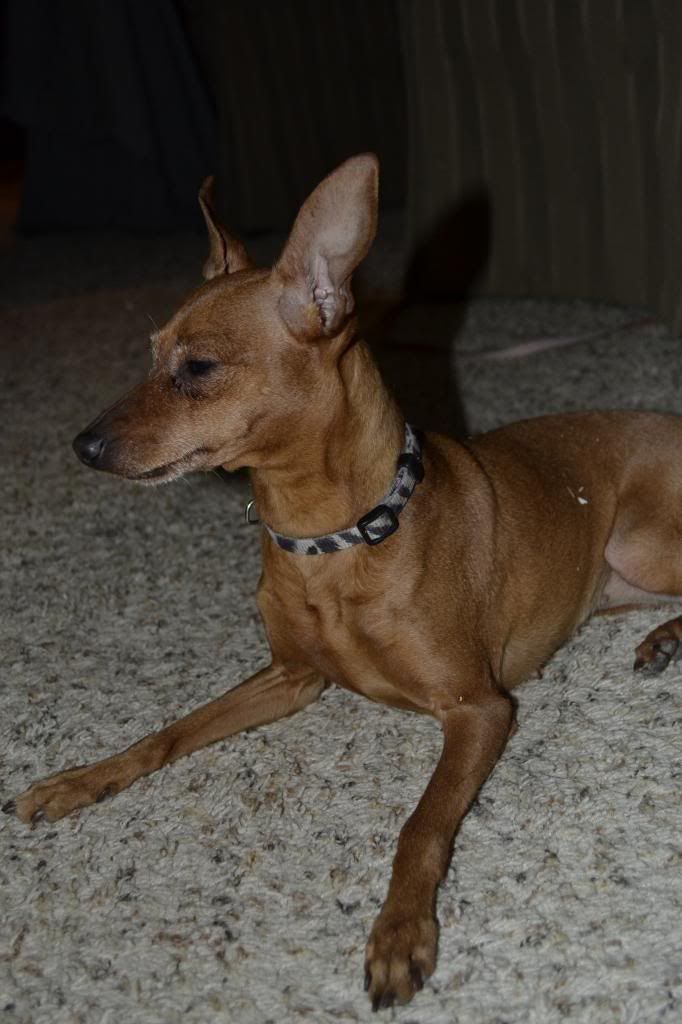
It’s not just the size of your home that you have to consider.  A five thousand square foot home isn’t going to be enough room for a Great Dane if it is cluttered.  Other things to consider are the amount of exercise your dog will receive, and the size of the area he will be allowed to run and play in.  I used to live in a two bedroom apartment before I moved out into the country.  Living with me were my two Miniature Pinschers, Gunny and Cammie, and my 110 pound Alaskan Malamute/Anatolian Shepherd mix.  Winter (the Malamix) did just fine in that tiny apartment.  It wasn’t because she is a low energy dog.  In fact, she is quite the opposite.  It was because I took Winter on frequent walks, no matter the weather outside (the worse the weather, the more fun she has!), and we would visit the dog park twice a day (early morning and dusk, when there was nobody there) to allow her to stretch her legs.   She also enjoyed other hobbies, like hiking four times a week, and chasing horses at the barn I used to board at.  While the size of your actual home is important, it’s the amount of exercise that really matters the most.

Throughout your search for the perfect companion, always remember your experience level.  Working breeds, such as Rottweilers, Giant Schnauzers, Doberman Pinschers, and German Shepherds, have dominant personalities and require constant training and somebody with a good knowledge of canine behavior in order to thrive within a household.  They will challenge their owners psychologically in order to gain the alpha position, and with an inexperienced owner, will frequently win that challenge.  That causes strain to the human/canine relationship, and often results in both becoming unhappy and frustrated with each other, and in extreme cases, the owner giving away the dog.  On the other end of the spectrum, dogs like Golden Retrievers, who will usually unquestionably respond to their owner’s every commands, may be great for beginner owners, but may bore the more experienced trainers looking for a way to challenge themselves and further their knowledge and training. 

Here’s a brief composited list of dog breeds (and crosses!) that will do well in common situations.  First I will list living situations, followed by exercise level, then average temperaments, and lastly, coat maintenance. 

 Minimum HousingMinimum Exercise RequirementsSkill Level of Owner
Cattle Dog/HeelerHouse with large yardAlways moving, needs jobIntermediate
Australian ShepherdHouse with yardJogging buddyAdvanced beginner to intermediate
Bassett HoundApartmentMinimumBeginner
BeagleApartmentModerateBeginner
Border CollieHouse with LandAlways moving, needs jobIntermediate to Advanced
Boston TerrierApartmentMinimum to ModerateBeginner
BoxerHouse with large yardModerate to jogging buddyIntermediate
English BulldogApartmentMinimumAdvanced beginner to intermediate
ChihuahuaApartmentMinimum to ModerateIntermediate
Collie (Rough and smooth)House with large yardJogging buddy, needs jobAdvanced beginner to intermediate
DachshundApartmentModerateIntermediate
DalmationHouse with yardJogging buddyIntermediate
Doberman PinscherHouse with large yardJogging buddy, needs jobAdvanced
Cocker SpanielApartmentModerateAdvanced beginner to intermediate
French BulldogApartmentMinimumBeginner
German ShepherdHouse with large yardAlways moving, needs jobAdvanced
Golden RetrieverHouse with yardJogging buddyBeginner
Great DaneHouse with large yardModerate to jogging buddyIntermediate
Labrador RetrieverHouse with large yardJogging buddy, needs jobAdvanced beginner to intermediate
MalteseApartmentMinimum to ModerateBeginner
MastiffHouse with yardModerateIntermediate (Advanced for Neopolitans)
Miniature PinscherApartmentModerateAdvanced beginner to intermediate
PomeranianApartmentModerateBeginner
PoodleVaries on sizes of dogModerate to jogging buddyAdvanced beginner to intermediate
PugApartmentMinimumBeginner
RottweilerHouse with yardModerateAdvanced
American Pitbull TerrierHouse with yardJogging buddyAdvanced
Shih tzuApartmentMinimum to ModerateBeginner
Siberian HuskyHouse with large yardJogging buddy, needs jobIntermediate to Advanced
Yorkshire TerrierApartmentMinimum to ModerateIntermediate

 Grooming RequirementsLoud Mouth!
Cattle Dog/HeelerMinimumBarks when bored
Australian ShepherdTwice weekly brushingBarks when bored
Bassett HoundMinimumYes
BeagleMinimumYes
Border CollieTwice Weekly brushingBarks when bored
Boston TerrierMinimumNo
BoxerMinimumGuard Dog
English BulldogMinimumSnores
ChihuahuaMinimumYes
Collie (Rough and smooth)Rough- Daily brushing; Smooth- MinimumBarks when bored
DachshundVaries on type, minimum to twice weeklyYes
DalmationMinimumNo
Doberman PinscherMinimumGuard Dog
Cocker SpanielTwice weekly brushingNo
French BulldogMinimumNo
German ShepherdWeekly brushingGuard Dog, Barks when bored
Golden RetrieverTwice weekly brushingNo
Great DaneMinimumGuard Dog
Labrador RetrieverWeekly brushingBarks when bored
MalteseTwice weekly brushingNo
MastiffMinimumGuard Dog
Miniature PinscherMinimumGuard Dog
PomeranianDaily BrushingYes
PoodleDoesn't shed, hypoallergenic.  Needs monthly professional groomingGuard Dog
PugMinimumSnores
RottweilerMinimumGuard Dog
American Pitbull TerrierMinimumGuard Dog
Shih tzuTwice weekly brushingNo
Siberian HuskyTwice weekly brushingYes
Yorkshire TerrierTwice weekly brushingNo

 Good with KidsGood with other animalsGood with Strangers
Cattle Dog/HeelerYesYesNo
Australian ShepherdYesYesYes
Bassett HoundYesCats okay, no small animalsYes
BeagleYesCats okay, no small animalsYes
Border CollieOlder kids, okayYes, but may chaseWhen socialized properly
Boston TerrierYesYesYes
BoxerYesYesSometimes
English BulldogYesCats okay, no small animalsSometimes
ChihuahuaNoYesNo
Collie (Rough and smooth)YesYes, but may chaseYes
DachshundOlder kids, okayCats okay, no small animalsSometimes
DalmationOlder kids, okayCats okay, no small animalsYes
Doberman PinscherYes, with familyYesWhen socialized properly
Cocker SpanielYesCats okay, no small animalsYes
French BulldogOlder kids, okayYesYes
German ShepherdYes, with familyYes, but may chaseWhen socialized properly
Golden RetrieverYesYesYes
Great DaneOlder kids, okayYesWhen socialized properly
Labrador RetrieverYesYesYes
MalteseYesYesYes
MastiffYes (No for Neopolitans)YesWhen socialized properly
Miniature PinscherOlder kids, okayYesWhen socialized properly
PomeranianYesYesYes
PoodleYesYes, but may chaseYes
PugYesYesYes
RottweilerYes, with familyYesWhen socialized properly
American Pitbull TerrierYesYesWhen socialized properly
Shih tzuYesYesYes
Siberian HuskyNoNoWhen socialized properly
Yorkshire TerrierOlder kids, okayCats okay, no small animalsWhen socialized properly


If I have failed to include your favorite dog breed, or one you’re looking into making a member of your family, you can feel free to leave a comment here and I will try to address it.  If not, look up the breed standards on The American Kennel Club’s official website: www.akc.org

Now that hopefully I’ve covered the “what”, I’ll move onto the “where”.  Where will you find your new dog?  As I have previously stated, I am pro-rescue.  You can find plenty of great family pets in shelters, just like I’ve found my Winter and my Luna.  They have dogs of all sizes, temperaments, ages, and life experiences.  I adopted Luna as an eleven week old puppy.  She’s a doll, and loves everyone and everything she meets.  Winter, on the other hand, took a lot of work to get her to where she is today, but I knew that when adopting her.  She had come from a possible abuse situation and was very, very nervous.  I couldn’t turn my back on her, though, considering that when the doors closed in that shelter the night I adopted her, if Winter didn’t have a home she would have been euthanized.  Statistics show that approximately 56% of all dogs to enter a shelter are euthanized due to overcrowding, health problems, and being unwanted (that’s a heartbreaking amount that numbers more than 2 MILLION animals a year).  Only about 25% of dogs that enter a shelter find a new forever home. (www.americanhumane.org)  Since adopting Winter, even with all of her problems, I haven’t looked back.  My life simply wouldn’t be the same without her.

If you have your heart set adopting (props to you!), there are a couple things you should be aware of.  All dogs in a shelter have a past.  They may have been strays once, or been abused.  They may have lived with a family who loved them very much, but life got in the way.  Whatever the situation is, your new adopted dog will need a little extra time and love to learn how to trust and love back again.  Once they do, the love they give you is greater than any love you could imagine.  It’s a far greater feeling when your once scared, lost dog turns over for a belly rub or licks your face.  The rewards are endless.

Another thing to keep in mind if you choose to get a younger dog from a shelter, is size.  Statistically, most dogs adopted in shelters are mutts.  When dealing with a mixed breed puppy, you never quite know what to expect.  A mutt puppy’s adult size is always an estimation.  As is her temperament.  You really can’t know how a puppy will behave as an adult if you don’t know what breeds she is.

If you choose to adopt, and you really want a specific breed and just can’t find it anywhere in a shelter, check out local breed rescues.  The American Kennel Club’s website (www.akc.org) has a pretty good list of breed rescues by breed and location.  Breed rescues will also have a lot more background information on your chosen dog, and will know what to expect when you bring him home.  Considering most breed rescues are small, private organizations founded by passionate people, dogs adopted from them rarely see the inside of a kennel.  These dogs generally live inside the home of the rescuer, or in a foster home with equally caring people.  Foster dogs are also often temperament tested, housebroken, and go through a basic obedience course.

If you really HAVE to have a purebred puppy, always purchase from a reputable breeder.  All too often, dogs are overbred, or bred from parents who really aren’t in the best of conditions.  This causes both physical and psychological problems in their offspring.  Make sure, when buying from a breeder, to check their background and references.  A good breeder will have a list of people who are more than happy to answer your calls and tell you about how much they love their puppy that they got from said breeder.  On top of that, you will be able to find out information on your breeder of choice from local training clubs, dog sports clubs, and word of mouth.  Visit the breeder, and meet the mother and father (if he is on site) of the litter.  Check out where the puppies stay.  A good breeder will meet ALL (not some) of the following requirements:
Parents will be friendly, well kept, and live inside the breeder’s home
Puppies will be clean and live inside the home
The breeder won’t part with the puppies before they are eight weeks old and fully weaned. 
The breeder will have spent countless hours interacting with the puppies, and have began socialization
The mother will not have had more than three (absolute maximum number) litters
Puppies will be up to date on any shots and deworming, and have all the recommended health screenings for their breed
The breeder will be knowledgeable on the breed, it’s temperament and health concerns, and training
The breeder will wholeheartedly agree to allow you to call her with any problems or concerns
Only buy from a breeder who’s dogs are registered, and who will register the puppies
Good breeders will always ask a lot of nosy questions of you.  Don’t buy from a breeder who doesn’t.  That generally means that they don’t care about the placement or welfare of their dogs.


Absolutely DO NOT buy a puppy from a pet store.  These dogs are horrible examples of breeds.  They will often try to pass off mixed breeds as expensive purebreds (like Puggles- a mix of a Pug and a Beagle, or Peekapoos- Pekingese poodle crosses, among others).  Dogs purchased from pet stores often also have severe physical and emotional problems.  I have a rescued Miniature Pinscher (Gunny) who was originally a petstore puppy three owners before she came to live with me.  She will never be fully housebroken because she can’t control her bowel muscles.  She’s had cancer.  She suffers from seizures and hairloss.  She’s cross eyed.  She has horrible confirmation.  Sadly, this is typical of a petstore puppy.  On top of that, they are extremely overpriced.  You can buy a well bred, registered, show quality, health guaranteed puppy from a breeder for generally half the price you will pay in a retail store.

Whatever option you choose, make sure you ask lots of questions and spend a lot of time with your new dog before bringing him home.  A dog is a big responsibility, and a good owner will have him through the good times and the bad, in sickness and in health, until death, do you part.  Good luck!

In my next post, I will cover housebreaking.